Welcome to visit Hebei Hontai Biotech Co.,Ltd.



2025-09-30
Chlorantraniliprole: A Next-Generation Insecticide for Sustainable Crop Protection
Chlorantraniliprole, a novel anthranilic diamide insecticide developed by DuPont and commercialized in 2008, has emerged as a cornerstone of modern integrated pest management (IPM) programs. Its unique mode of action, broad-spectrum efficacy, and environmental safety profile make it a preferred choice for farmers worldwide. This article explores its mechanism of action, application guidelines, and targeted pests, providing actionable insights for agricultural practitioners.
Chlorantraniliprole disrupts insect nervous and muscular systems by selectively binding to ryanodine receptors (RyRs) in the sarcoplasmic reticulum of muscle cells. This activation triggers uncontrolled calcium ion release, leading to sustained muscle contraction, paralysis, and eventual death. Unlike traditional neurotoxic insecticides, its specificity for insect RyRs—coupled with low affinity for mammalian counterparts—ensures minimal toxicity to non-target organisms, including humans and beneficial insects.
1. Formulations and Dosage
Chlorantraniliprole is available in multiple formulations, including granules, liquid concentrates (e.g., 20% SC), and seed treatments. A common recommendation for foliar application is 20 mL of 5% w/w chlorantraniliprole per 20 liters of water, ensuring thorough coverage of plant surfaces. For soil or seed treatments, lower rates (e.g., 5–10 g/ha) may suffice, depending on crop type and pest pressure.
2. Crop Compatibility
The compound is registered for use on over 60 crops, including:
3. Timing and Frequency
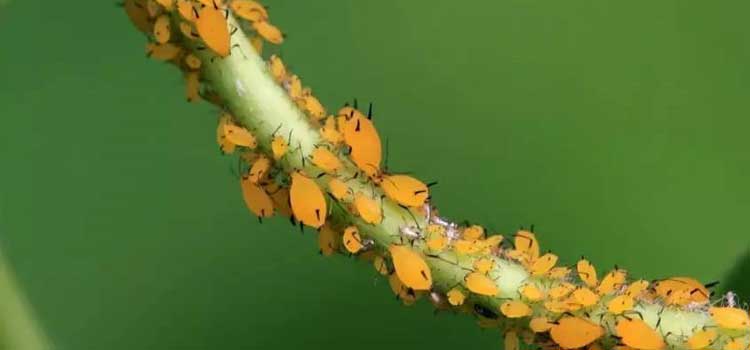
Chlorantraniliprole effectively controls:
Its dual action—via ingestion (stomach poison) and contact—ensures efficacy against both exposed and concealed pests.
Chlorantraniliprole’s success stems from its ability to balance efficacy, safety, and environmental stewardship. By adhering to label guidelines—including dosage, rotation, and PPE protocols—farmers can achieve long-term pest suppression while preserving ecosystem health. As agriculture faces escalating challenges from climate change and pest resistance, chlorantranilrole stands as a testament to innovation in crop protection, offering a reliable tool for sustainable food production.