Azoxystrobin, a synthetic strobilurin fungicide, has become a cornerstone of global agricultural disease management due to its broad-spectrum efficacy, environmental safety, and adaptability to diverse farming systems. Developed in the 1990s, it is widely used to combat fungal pathogens in crops ranging from cereals and fruits to vegetables and economic plants.
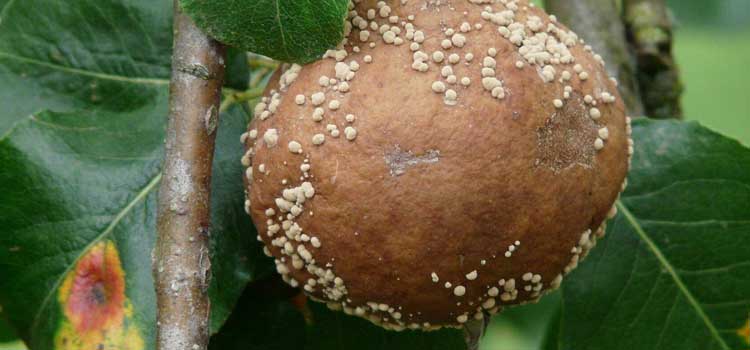
1. Target Pests and Diseases
Azoxystrobin effectively controls a wide array of fungal diseases by disrupting mitochondrial respiration in pathogens. Its primary targets include:
A. Cereals (Wheat, Rice, Corn)
-
Leaf Rusts (Puccinia spp.): Causes orange-brown pustules on leaves, reducing photosynthesis.
-
Blights (Pyricularia oryzae in rice, Septoria spp. in wheat): Leads to leaf necrosis and yield loss.
-
Powdery Mildew (Erysiphe graminis): Forms white fungal growth on stems and leaves.
B. Fruits (Apples, Grapes, Citrus)
-
Apple Scab (Venturia inaequalis): Causes dark, scaly lesions on fruit and foliage.
-
Downy Mildew (Plasmopara viticola in grapes): Results in yellow spots and white fungal growth.
-
Anthracnose (Colletotrichum spp.): Leads to sunken lesions on fruit and stems.
C. Vegetables (Tomatoes, Cucumbers, Peppers)
-
Late Blight (Phytophthora infestans): Destroys leaves and stems, causing rapid plant collapse.
-
Alternaria Leaf Spot (Alternaria solani): Forms concentric brown spots on foliage.
-
Fusarium Wilt (Fusarium oxysporum): Blocks water transport, leading to wilting and death.
D. Economic Crops (Soybeans, Peanuts, Tobacco)
-
Soybean Rust (Phakopsora pachyrhizi): Reduces pod formation and seed quality.
-
Peanut Leaf Spot (Cercospora arachidicola): Causes premature defoliation.
-
Tobacco Brown Spot (Alternaria alternata): Damages leaves, lowering market value.
2. Key Advantages of Azoxystrobin
A. Broad-Spectrum and Systemic Action
Azoxystrobin inhibits fungal respiration by binding to the cytochrome bc1 complex, disrupting energy production. Unlike single-site fungicides, its multi-target mechanism reduces resistance risk. Its systemic and translaminar properties ensure thorough protection, penetrating leaf tissues to safeguard both surfaces and new growth.
B. Prolonged Residual Activity
A single application provides 10–14 days of protection, reducing labor and costs. This is particularly valuable in regions with frequent rainfall, as Azoxystrobin becomes rainfast within 1–2 hours of application.
C. Environmental and Operator Safety
Classified as low-toxicity to mammals, birds, and beneficial insects (e.g., bees), Azoxystrobin degrades rapidly in soil and water, minimizing ecological impact. Its compatibility with integrated pest management (IPM) programs supports sustainable farming.
D. Synergy in Tank Mixtures
When combined with protectant fungicides (e.g., Mancozeb) or triazoles (e.g., Tebuconazole), Azoxystrobin enhances efficacy and delays resistance. For example, a Tebuconazole + Azoxystrobin mixture reduced rice blast incidence by 45% in field trials.
3. Application Guidelines for Optimal Results
A. Dosage and Formulation
-
Vegetables (e.g., tomatoes, cucumbers):
-
25% SC (Suspension Concentrate): 15–20 mL per acre, diluted in 30–45 L water.
-
50% WG (Water-Dispersible Granules): 10–15 g per 100 L water.
-
Fruits (e.g., apples, grapes):
-
Apply via airblast sprayers at 200–300 L water/hectare for thorough coverage.
-
Cereals (e.g., wheat, rice):
-
25% SC: 40–60 g per hectare, adjusted for foliage density.
B. Timing and Frequency
-
Preventive Use: Apply at crop emergence or before disease onset (e.g., prior to rainy seasons).
-
Curative Use: Initiate treatment at the first sign of infection, repeating every 7–10 days for 2–3 applications.
-
Critical Periods: Focus on flowering and fruiting stages to protect yield-critical tissues.
C. Best Practices for Efficacy
-
Spray Coverage: Use fine-droplet nozzles to ensure uniform deposition, especially on leaf undersides.
-
Weather Conditions: Avoid midday heat to prevent evaporation; morning applications are ideal.
-
Resistance Management: Rotate with fungicides from different chemical groups (e.g., SDHIs, triazoles) and limit annual uses to 3–4 applications per crop.
4. Case Studies: Real-World Success
-
Brazilian Soybeans: Sequential applications of Azoxystrobin controlled Asian soybean rust, preserving yields during high-disease-pressure seasons.
-
European Apple Orchards: Integrated with biological control agents, it reduced scab severity by 60% while lowering chemical loads.
-
Southeast Asian Rice: A Tebuconazole + Azoxystrobin mixture increased yields by 18% compared to single-agent treatments.
Conclusion: A Sustainable Solution for Global Agriculture
Azoxystrobin’s combination of efficacy, safety, and adaptability makes it indispensable for modern farming. By adhering to best practices—rotational use, targeted applications, and synergy with biologics—farmers can maximize its benefits while safeguarding future crop health. As agriculture faces climate volatility and resistance challenges, Azoxystrobin will remain a critical tool in sustainable disease management.