Introduction
Flutriafol, a systemic triazole fungicide belonging to the demethylation inhibitor (DMI) class, has emerged as a cornerstone in modern agricultural pest management. First introduced in the 1980s, it is widely used to protect cereal crops, fruits, vegetables, and turfgrass from a variety of fungal pathogens. Its efficacy, versatility, and favorable environmental profile make it a preferred choice for farmers seeking sustainable disease control solutions.
Mechanism of Action
Flutriafol operates by inhibiting ergosterol biosynthesis, a critical component of fungal cell membranes. By targeting the CYP51 enzyme (14α-demethylase), it disrupts membrane integrity, leading to cell death. This systemic action allows the compound to be absorbed by plant tissues and translocated throughout the plant, providing long-lasting protection against both surface and internal infections.
Key Applications
-
Cereal Crops: Flutriafol is highly effective against Fusarium species, which cause head blight in wheat and barley, reducing yield and contaminating grains with mycotoxins. It also combats rusts (e.g., Puccinia spp.) and powdery mildew (Blumeria graminis), ensuring healthier harvests.
-
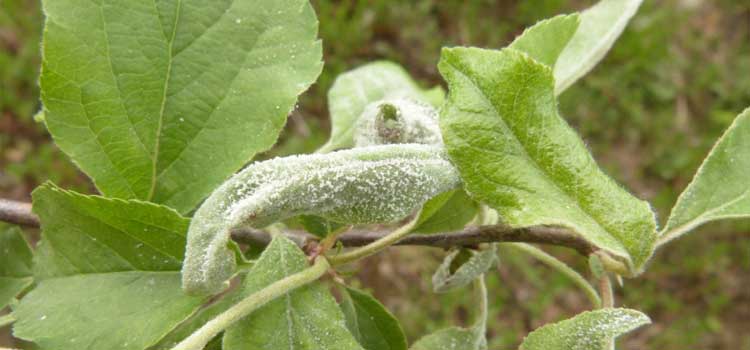
Fruits and Vegetables: Used on bananas, grapes, and cucurbits, it controls Podosphaera (powdery mildew) and Venturia (apple scab), enhancing fruit quality and shelf life.
-
Turfgrass: Protects golf courses and lawns from Rhizoctonia and Sclerotinia diseases, maintaining aesthetic and functional integrity.
Advantages of Flutriafol
-
Broad-Spectrum Activity: Unlike narrow-spectrum fungicides, Flutriafol targets multiple fungal life stages, including spores, mycelium, and sclerotia. This reduces the need for multiple products, simplifying application protocols.
-
Systemic and Protective Action: Its ability to move through plant tissues ensures comprehensive coverage, including new growth. This proactive protection minimizes disease establishment, even under high pressure.
-
Curative Properties: Flutriafol can halt existing infections when applied early, offering flexibility in timing and reducing crop losses.
-
Rainfastness: Once absorbed, it resists wash-off from rain, ensuring consistent efficacy and reducing reapplication costs.
-
Low Dose Efficiency: Effective at low concentrations (typically 25–100 g/ha), it minimizes environmental load and operator exposure risks.
-
Compatibility with Integrated Pest Management (IPM): Flutriafol’s mode of action complements biological controls and cultural practices, reducing reliance on chemical interventions. Its lower risk of resistance development compared to some DMIs further supports sustainable use.
-
Environmental Safety: With a short half-life in soil (typically <30 days) and low toxicity to non-target organisms (e.g., bees, aquatic life), it aligns with global regulatory standards for ecological protection.
Conclusion
Flutriafol represents a balance of efficacy, versatility, and environmental stewardship. Its ability to address diverse fungal threats while minimizing ecological impact positions it as a valuable tool in global agriculture. As resistance management becomes increasingly critical, Flutriafol’s compatibility with IPM strategies ensures its continued relevance in safeguarding food security and agricultural productivity. Future advancements in formulation and application technology will likely enhance its role in sustainable farming systems worldwide.